

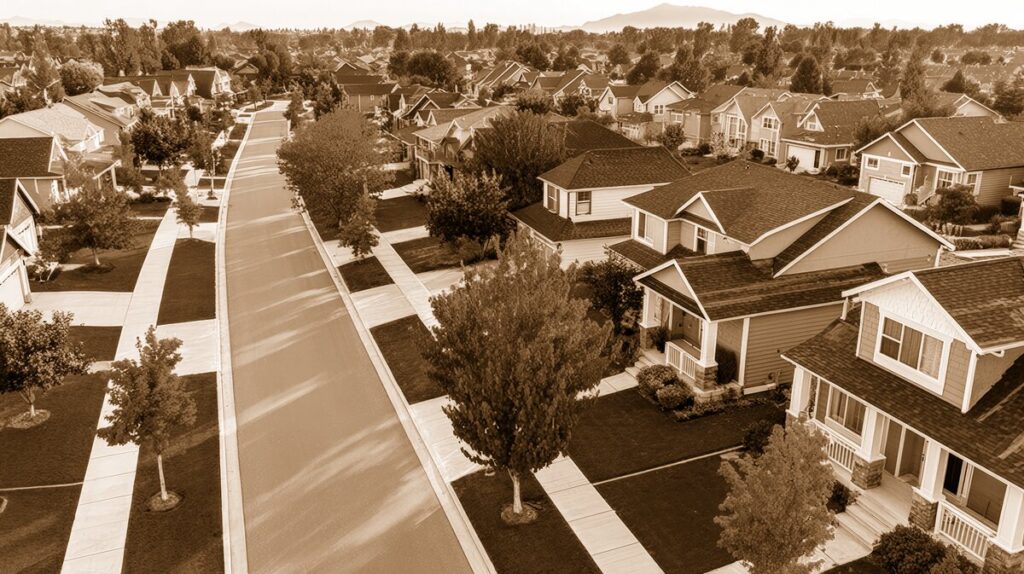
Nestled on the western edge of Pampa, TX, Pampa West is a neighborhood whose story is tightly woven into the broader tapestry of this High Plains city’s history. Known for its welcoming atmosphere, tree-lined streets, and enduring landmarks, Pampa West has long represented both the heart and the homegrown grit of Pampa. Whether you’re new to the area or a lifelong resident, the story of Pampa West is one that resonates with warmth, progress, and a deep respect for heritage.
The Origins of Pampa West
Pampa West’s roots can be traced back to the mid-20th century as Pampa began to expand westward from the historic railroad lines and bustling downtown. Unlike older neighborhoods adjacent to the city center, Pampa West offered spacious lots, charming single-family homes, and a fresh sense of possibility for returning GIs and young families after World War II.
The neighborhood grew up alongside the rise of the city itself. Its name is directly tied to its geographical location—west of Cuyler Street, Pampa’s historic north-south arterial, and west of the railroad tracks that long defined the division between “east” and “west” Pampa. Over the years, this simple designation has come to embody a proud identity all its own.
Key Historical Milestones
Throughout the decades, Pampa West has been the scene of many small but significant milestones:
- Postwar Development (1940s-1950s): Subdivisions began springing up along West Francis Avenue, West Browning Avenue, and West Foster Avenue. The GI Bill made homeownership possible for many, and builders responded with ranch-style homes that defined postwar suburbia.
- Growth of Community Institutions: The founding and flourishing of central institutions like Lamar Elementary School, located on West Browning Avenue, gave the neighborhood a sense of permanence and generational continuity.
- The Establishment of Pampa West Park: Dotted with towering cottonwoods and recreational fields, Pampa West Park became the social and recreational heart of the neighborhood by the 1960s.
- The Oil Boom’s Impact: The energy industry brought prosperity to households through the ‘60s and ‘70s. As oil companies set up regional offices in Pampa, many workers moved into Pampa West, and modest homes were expanded to accommodate growing families.
- Community Resilience: Like much of Pampa, Pampa West weathered the tragic 1995 tornado, which caused devastating damage but showcased neighbors supporting each other in the face of loss.
Notable Landmarks and Buildings
Walking through Pampa West, you’ll find that its history is still visible in many beloved landmarks:
- Lamar Elementary School: Serving generations of local children since the 1950s, Lamar Elementary remains a fixture in the community, with programs and school events bringing together families and neighbors.
- Pampa West Park: As the neighborhood’s namesake green space, this park offers not only ballfields and playgrounds but also a living legacy of the area’s dedication to recreation and community connection.
- Historic Residences on West Browning Avenue: Some of the earliest homes built in the neighborhood still stand, boasting original brickwork and generously sized yards—testaments to the craftsmanship and vision that defined Pampa West’s mid-century growth.
- Faith Communities: The West Side Church of Christ, established on West Foster Avenue, is one of several longtime congregations that have anchored neighborhood life with faith, fellowship, and service.
Evolving with the Times
Over the decades, Pampa West has seen its demographics and street scenes shift, but the neighborhood’s spirit has never faltered. New families have moved into classic homes, bringing fresh energy while preserving time-honored traditions like block parties, school carnivals, and neighborhood watch programs.
In the 1980s and ‘90s, many homes underwent renovations, blending modern comforts with the architectural charms of the original designs. The area’s mature trees, planted by early residents, now provide a rich canopy along West Kingsmill Avenue and fill Pampa West with a sense of continuity and calm.
The resilience of Pampa West is most evident during times of challenge. After the tornado of 1995, neighbors worked shoulder to shoulder to rebuild. Today, several storm shelters and community resources stand as symbols of preparedness and unity.
Looking to the Future
Pampa West continues to balance respect for its heritage with a readiness to embrace the future. Initiatives like the West Pampa Neighborhood Watch show a strong commitment to safety, while renewed investment in parks and public spaces ensures that the next generation will continue to enjoy the best of suburban life.
Residents often speak with pride about how kids in Pampa West can still ride bikes down quiet avenues, how every house seems to have its own story, and how the simple joys of neighborly conversation are alive and well. Whether gathered for a Saturday baseball game at the park or sharing coffee in a sunlit kitchen, Pampa West is, above all, a place where people feel at home.
Why Pampa West Still Matters
Perhaps what makes Pampa West so special is its harmony of history and hospitality. The echoes of past decades linger in the maple- and cottonwood-lined streets, the laughter in parks, and the thoughtful preservation of historic homes.
- Every generation leaves a mark, from the first postwar homebuilders to the current families who value community connection.
- The neighborhood’s blend of tradition and resilience stands as an invitation—to settle in, to join in, and to become part of Pampa’s enduring story.
If you ever find yourself west of Cuyler Street, pause along West Francis Avenue or stroll through Pampa West Park. Take in the gentle pace of life, the proud architecture, and the sense of belonging that defines Pampa West. You’ll find, as so many have before, that its heritage is alive, its future is bright, and its heart beats in step with all of Pampa, Texas.